“I was told I don’t have enough bone for implants.” It’s one of the most common concerns we hear — and the good news is that bone loss doesn’t automatically close the door on dental implants. With today’s approaches, many people with jawbone loss still have options. Here’s what you should understand.
Why does the jawbone shrink?
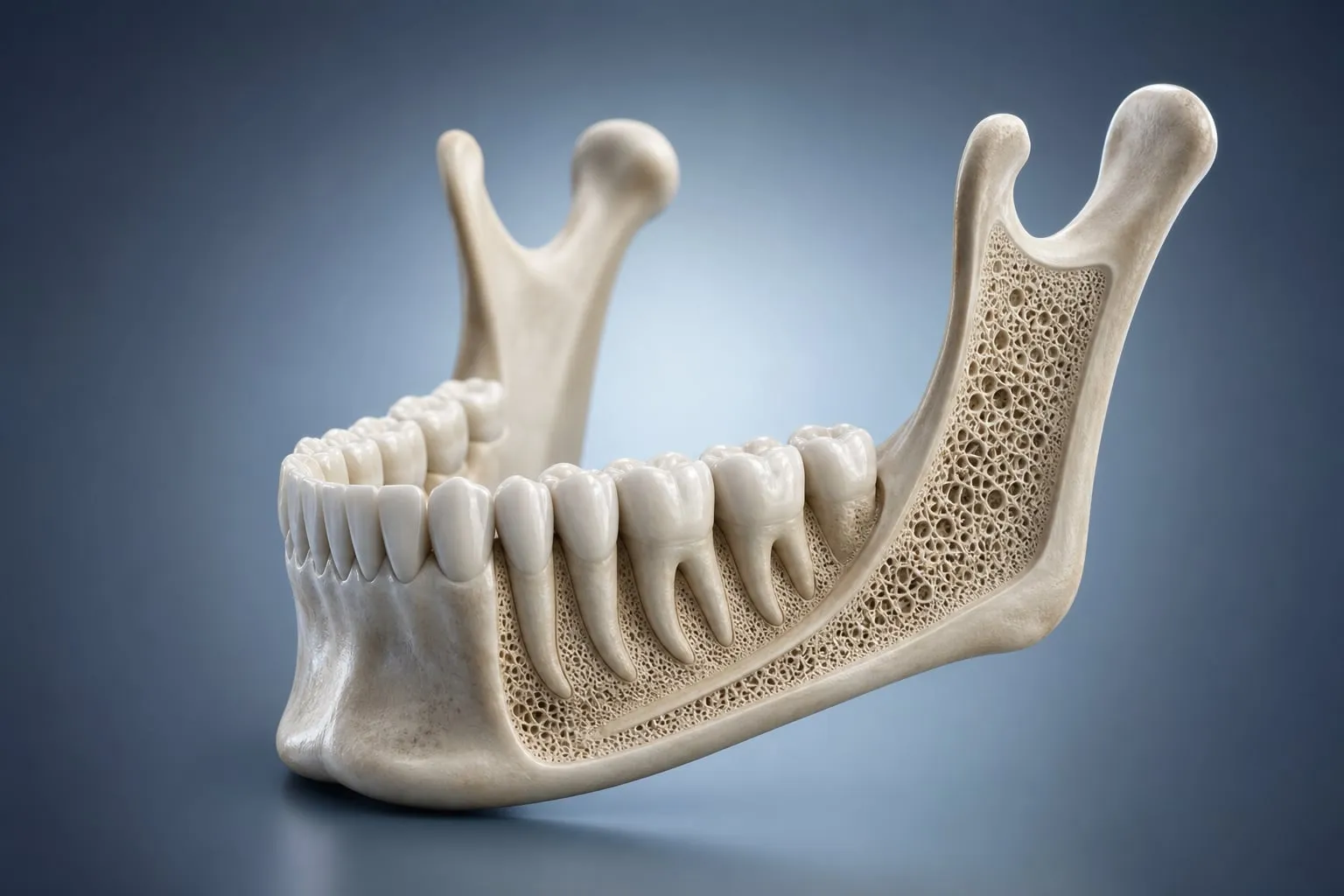
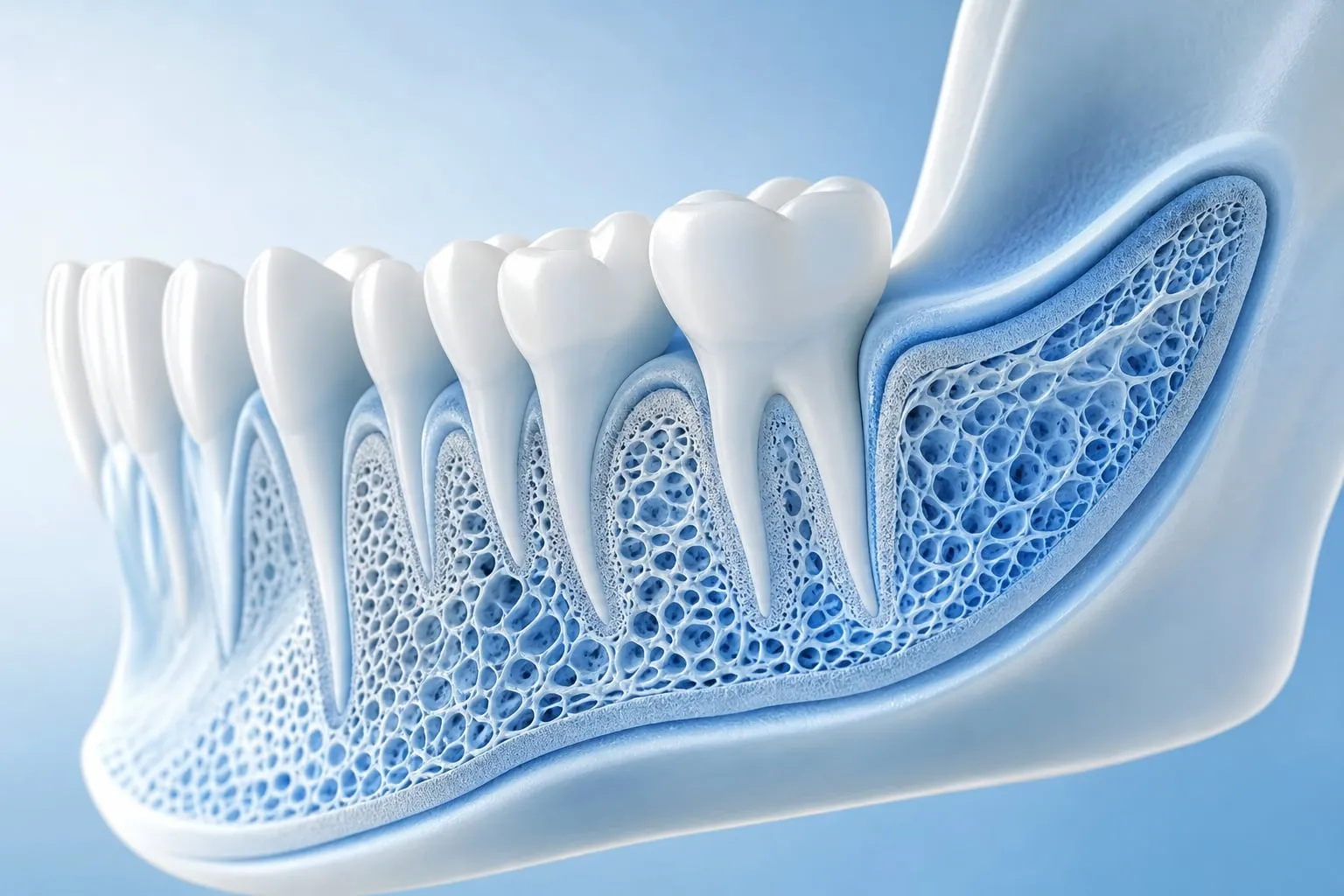
Your teeth do more than help you chew — their roots also stimulate the jawbone and keep it healthy. When a tooth is lost, that stimulation disappears, and the bone underneath gradually begins to resorb, or shrink. This is why long-missing teeth often lead to a sunken appearance over time.
Bone loss can also result from gum disease, injury, or wearing dentures that rest on the gums without supporting the bone beneath them.
Why bone matters for implants
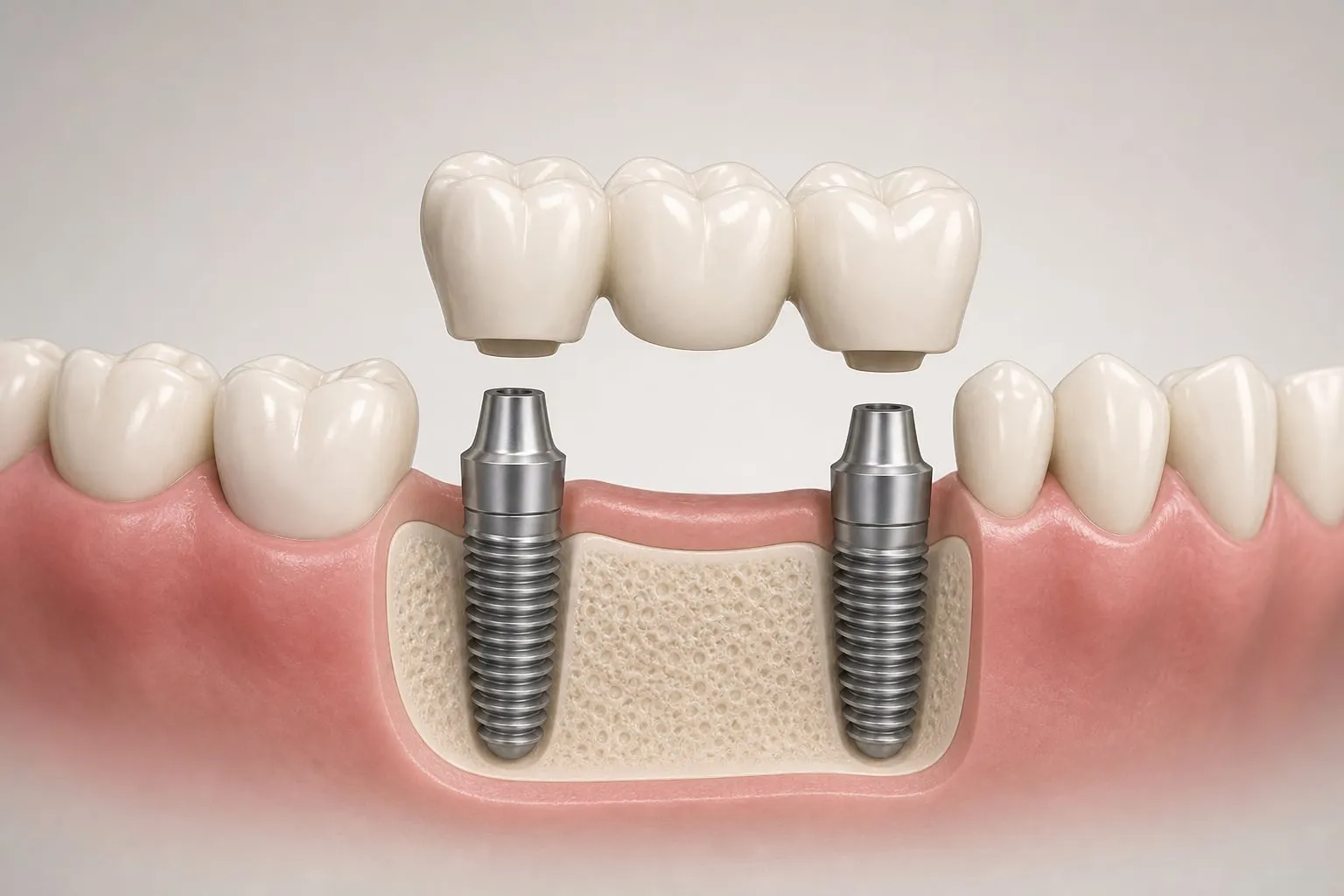
A dental implant is a titanium post that fuses with your jawbone to create a stable foundation. For that to work well, there needs to be enough healthy bone to hold and support the implant. When bone is thin or has resorbed, we simply need a plan to work around it.
The important thing to know: “not enough bone” is often a solvable problem, not the end of the road.
Options when you have bone loss
Depending on your situation, several approaches may be an option:
- Bone grafting. A graft adds volume to the jaw, rebuilding a foundation strong enough to support an implant. Our post on whether you need a bone graft explains how this works.
- Sinus lift. In the upper jaw, this creates additional height for implants.
- All-On-4 dental implants. This full-arch approach uses four implants placed at strategic angles to take advantage of the bone you do have. For many patients, that angled placement reduces or eliminates the need for grafting.
Which approach fits depends on how much bone you have, where the loss is, and your overall goals.
How we assess your bone
The only way to know your options is to look. During a personalized evaluation, we use 3D imaging to measure the volume and quality of your jawbone precisely. From there, we can tell you honestly whether implants may be an option and, if so, what path makes sense.
Jawbone loss often has no obvious symptoms, so this imaging step is important — you may have more bone than you feared, or we may recommend a graft first.
Don’t wait to ask
Here’s a practical tip: bone loss tends to continue over time. The sooner you explore your options, the more likely you are to have straightforward paths available. If you’ve been putting off a conversation because someone once told you implants weren’t possible, it may be worth a fresh look with current technology.
If cost is part of your hesitation, our financing options can help make treatment — including any grafting — more manageable.
Ready to take the next step?
Bone loss doesn’t have to mean the end of the road for your smile. Let’s take a look and talk honestly about what may be an option for you. Request an appointment online or call (949) 773-4170 to schedule an evaluation at our Mission Viejo office. You can also explore our FAQ or contact us with questions.
This article is for general educational purposes only and is not a substitute for professional dental advice, diagnosis, or treatment. Surgical procedures such as implant placement and bone grafting carry risks that should be discussed with your provider. Individual results vary, and only a personalized evaluation can determine whether treatment may be an option for you.