A tooth that’s cracked, loose, painful, or failing can be unsettling — but knowing what to do next puts you back in control. Whether it happened suddenly or has been building for a while, the right steps can protect your smile and open the door to a lasting fix. Here’s a practical guide.
Warning signs a tooth is in trouble
Some issues are obvious; others sneak up. Watch for:
- Persistent pain or sensitivity to hot, cold, or pressure
- A tooth that feels loose or has shifted
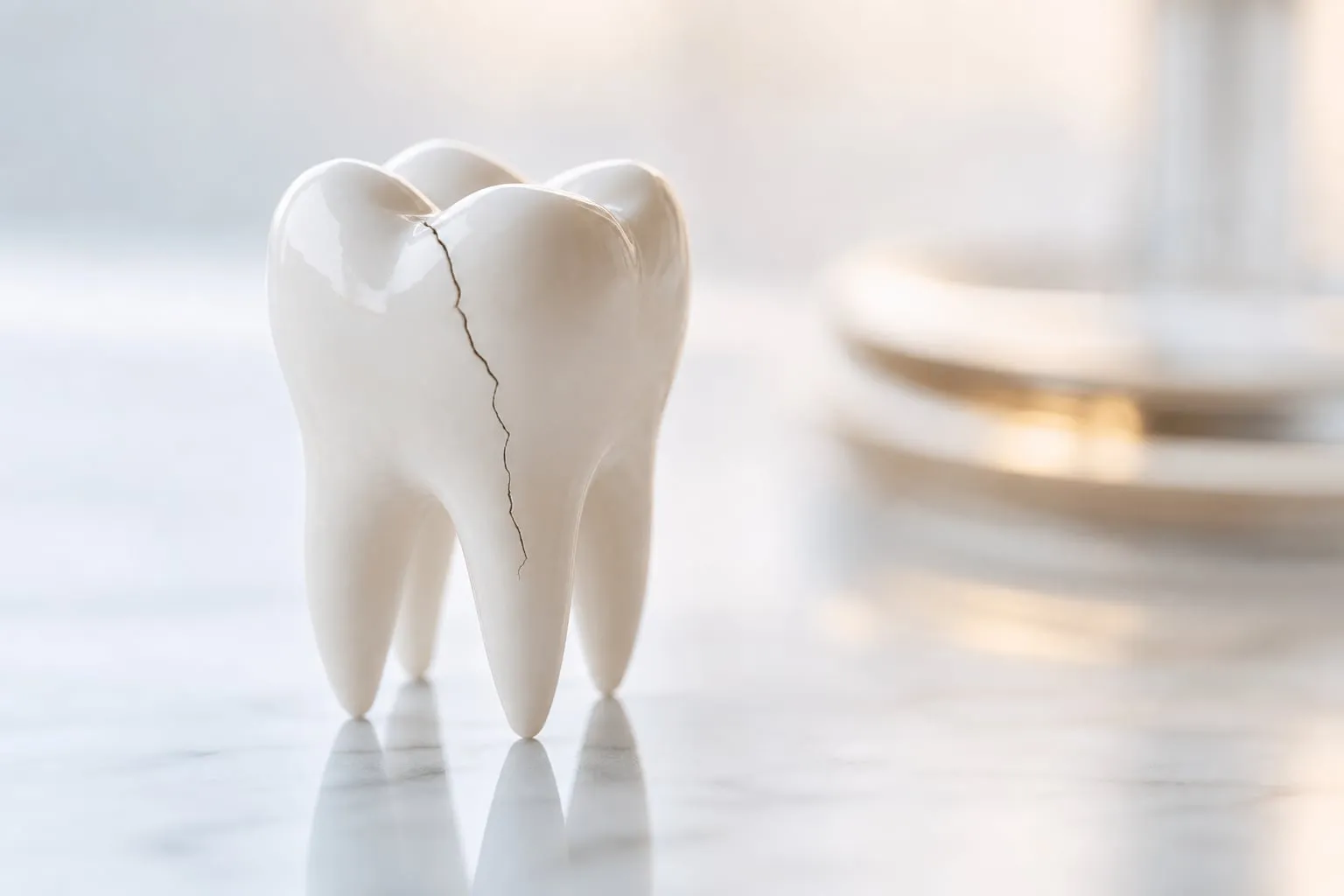
- Visible cracks, chips, or breaks
- Swelling in the gums or face, or a bad taste (possible signs of infection)
- A tooth that has darkened compared to its neighbors
If you notice swelling, severe pain, or a loose tooth, don’t wait — reach out to a dentist promptly.
Why acting early matters
It’s tempting to ignore a tooth that isn’t bothering you much. But a failing tooth rarely improves on its own, and delays can lead to:
- Worsening damage that limits your options
- Infection that spreads to surrounding tissue
- Strain on nearby teeth as you favor one side
- Bone loss if the tooth is eventually lost and not replaced
Acting sooner often means simpler, more comfortable treatment — and more choices.
Can the tooth be saved?
Not every troubled tooth needs to go. Depending on the situation, it may be treatable and worth saving. In other cases, the most reliable path is to remove the tooth and replace it. This is a judgment call that depends on the extent of the damage, the health of the root and surrounding bone, and your goals.
The only way to know is a personalized evaluation with imaging, where we can see what’s happening below the surface.
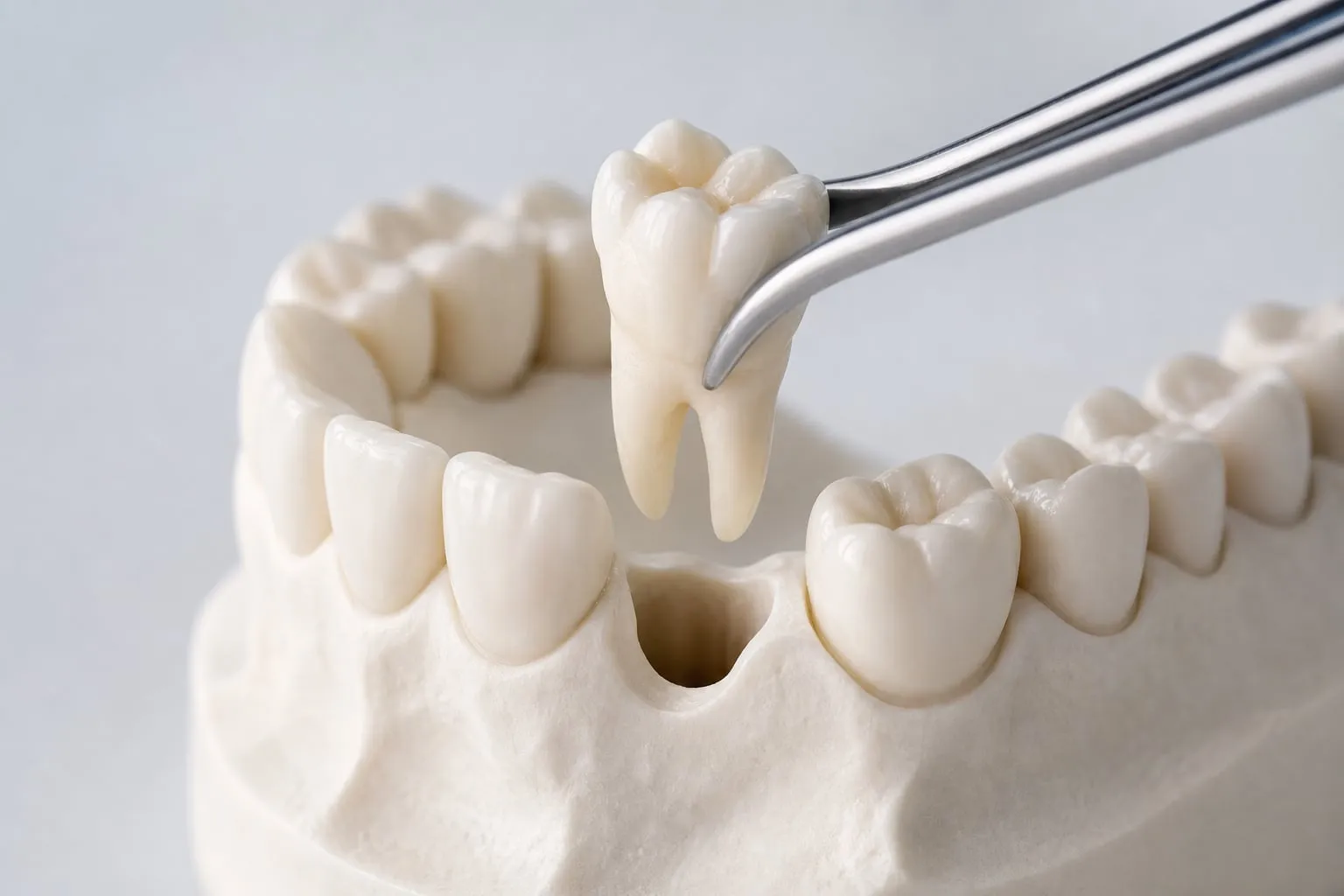
If the tooth needs to come out
When a tooth can’t be saved, a gentle, comfort-focused extraction removes it and stops the problem at its source. The important next question is: what replaces it?
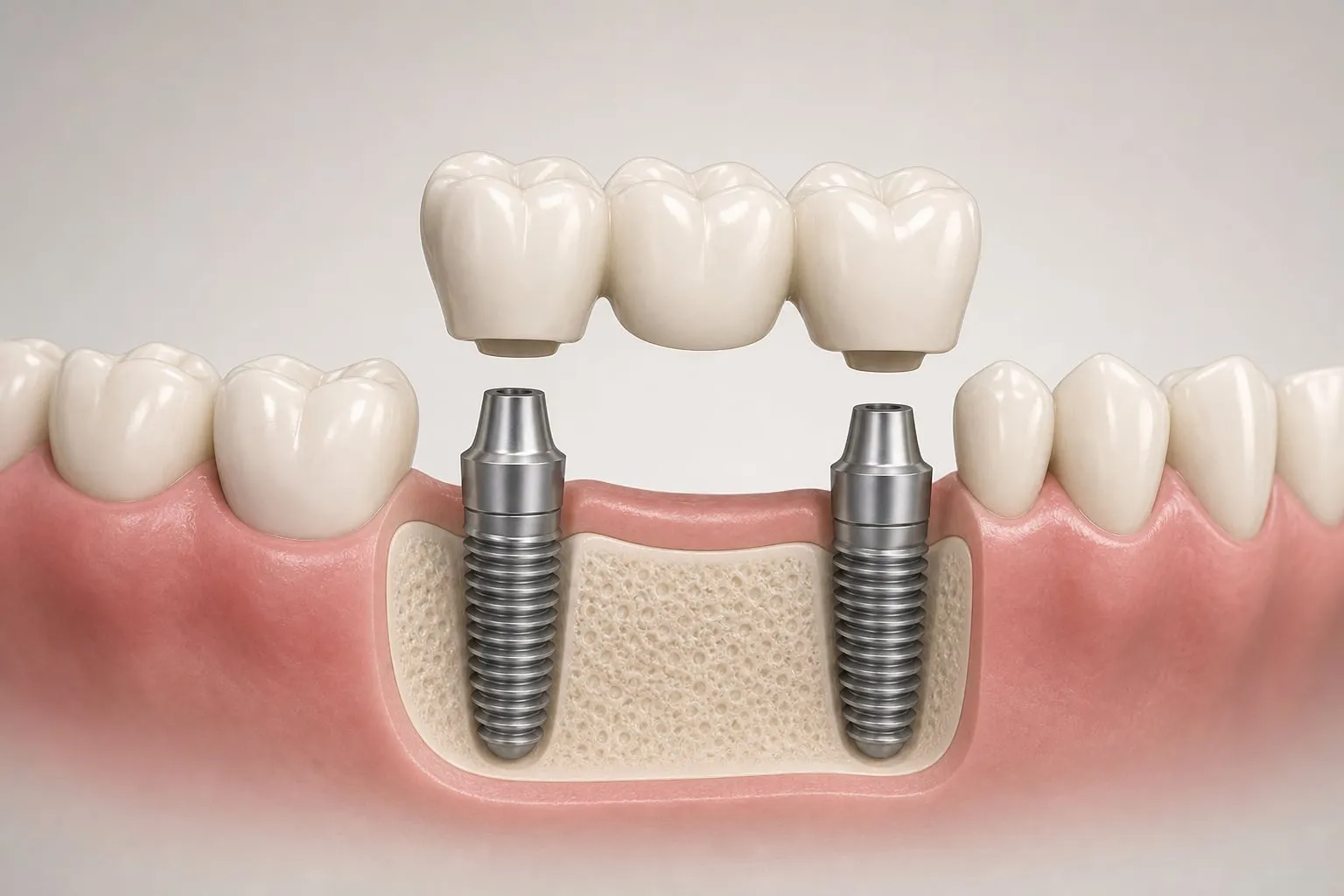
Leaving a gap can lead to shifting teeth and bone loss over time. That’s why we plan for replacement early. Common options include:
- A single dental implant — a standalone replacement that preserves your neighboring teeth
- A dental bridge, if it fits your situation
- All-On-4 dental implants, if several teeth in an arch are failing
In some cases, an implant can be placed at the time of extraction; in others, we allow the site to heal first. Imaging helps us recommend what may be an option for you.
Rebuilding your smile
Replacing a failing tooth with an implant restores both function and appearance, and it helps protect the bone that supports your smile. A single implant starts at $1,995, covering consultation, surgery, and crown. Pricing may vary based on individual needs, and additional procedures such as extractions or bone grafting may be quoted separately. Our financing options can help make treatment manageable.
Ready to take the next step?
If you have a failing or broken tooth, the sooner we take a look, the more options you’re likely to have. Request an appointment online or call (949) 773-4170 to reach our Mission Viejo office. You can also visit our FAQ or contact us.
This article is for general educational purposes only and is not a substitute for professional dental advice, diagnosis, or treatment. If you are experiencing significant pain, swelling, or signs of infection, seek prompt care. Individual results vary, and only a personalized evaluation can determine whether a particular treatment may be an option for you.